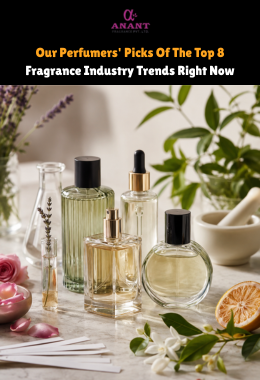
The fragrance industry does not slow down. New raw materials, shifting consumer habits, and bolder creative choices are constantly reshaping what sits on the shelf – and what actually sells.
A perfumer from Kannauj once put it simply – pick a trend too late and you are already behind. That thinking shaped this list.
Which Brands Are Leading the Fragrance Industry Today?
The fragrance industry today is led by a mix of heritage houses and younger indie brands that have figured out direct-to-consumer very well. Big names like Givaudan, Firmenich, and IFF still control much of the creation side.
What has changed is that the fragrance industry no longer belongs only to Paris or New York. Indian brands, Gulf-based oud houses, and niche Korean perfumers are all claiming serious market share right now.
Learn more about Industrial Fragrance and how it powers products across industries, from home care and personal care to food, automotive, and manufacturing applications.
What Raw Materials Are Dominating the Fragrance Industry?
The fragrance industry is moving toward sustainable and traceable raw materials. Synthetic musks face pressure from environmental regulations, and natural alternatives are being priced into premium tiers.
Top ingredients trending across the fragrance industry:
- Oud – still dominant, especially in Middle Eastern and Indian markets
- Ambroxan – synthetic ambergris note, used heavily in commercial and niche both
- Iso E Super – woody, skin-close note appearing in almost every new masculine launch
- Orris and Iris – expensive but growing fast in luxury segments
- Vetiver – sought after for its smoky, earthy drydown in high-end blends
Sustainability pressure is also pushing the fragrance industry toward upcycled ingredients – rose petals sourced from attar distillation waste in Kannauj being one strong example.
How Has Consumer Behaviour Reshaped the Fragrance Industry?
Consumers today do not buy fragrance the way they did ten years ago. They research notes, read reviews in dedicated communities, and sample before committing to a full bottle.
Discovery sets – small sample vials – have become one of the best-performing formats in the fragrance industry, pulling buyers toward full bottle purchases naturally.
Which Fragrance Industry Trends Are Perfumers Watching Closely?
Perfumers right now are closely watching genderless scents, slow-burn fragrances, and the return of heavy base notes. These are not passing fads – they are changing how new launches are built across the fragrance industry.
| Trend | What It Means | Who Is Leading It |
| Genderless Fragrance | No male/female labelling | Juliette Has A Gun, Commodity |
| Slow Burn / Low Sillage | Skin-close, intimate wear | Frédéric Malle, Byredo |
| Heavy Bases (Oud, Amber) | Long-lasting depth from first spray | Arabian Oud, Anant Fragrance |
| Functional Fragrance | Scents tied to mood or wellness | Nota Bene, Dedcool |
The fragrance industry in India specifically, is seeing strong momentum in the oud-meets-floral segment, mixing traditional attar culture with modern bottle design.
Why Is the Indian Fragrance Industry Growing So Fast?
The Indian fragrance industry is growing because three things came together – rising incomes, a younger buyer who treats fragrance as self-expression, and homegrown brands that understand local taste far better than imported labels.
Cities like Kannauj, Mumbai, and Delhi NCR are producing genuinely interesting work. Brands like Anant Fragrance are blending traditional attar knowledge with contemporary structures to compete on quality, not just price.
Global fragrance houses are also sourcing more from India – sandalwood, vetiver, and jasmine are showing up in some of the world’s most expensive launches.
How Do You Choose the Right Scent From a Crowded Fragrance Industry?
Choosing well from the fragrance industry means understanding your own skin chemistry, not just the bottle on the shelf. A scent that opens beautifully on paper can turn flat or sharp on certain skin types within an hour.
Things that actually help:
- Sample first – never buy blind from the fragrance industry, regardless of how strong the reviews are
- Test at different times of day – skin temperature changes how a fragrance opens and dries down
- Know your note preference – citrus, floral, woody, oriental, or fresh green
- Check longevity on your skin – not on paper or someone else’s wrist
The fragrance industry releases thousands of new launches every year. A clear personal brief cuts through the noise faster than any recommendation list.
What Does the Future Hold for the Fragrance Industry?
The fragrance industry is heading toward a smaller, more personal model. Mass launches are losing ground to limited editions and bespoke creations. Buyers want something that feels like it belongs to them.
AI is entering the fragrance industry too, with labs using machine learning to predict accord performance. But the best noses still trust instinct over algorithm when it matters.
Frequently Asked Questions
Q1. What is the fragrance industry worth globally?
The global fragrance industry is valued at over $50 billion and is projected to grow through 2030.
Q2. Which country leads the fragrance industry?
France leads in fine fragrance, but India and the UAE are growing fast in both production and brand presence.
Q3. Is the Indian fragrance industry competitive on a global scale?
Yes, Indian players are gaining ground, particularly in oud, attar, and natural ingredient supply for global houses.
Q4. What concentration should I pick in the fragrance industry market?
Eau de Parfum works well for daily wear. Pure Parfum lasts longer but costs more and suits special occasions.
Q5. Where can I explore quality Indian fragrance industry brands?
Visit anantfragrance.in for perfumes that blend Indian heritage with modern fragrance craft.
Follow us on Facebook and Instagram for more inspiration and product news.