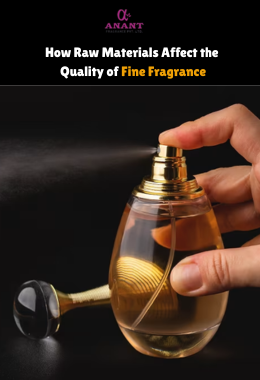
You know, when it comes to fragrances, the first thing that decides whether a perfume smells amazing or meh is the raw materials. Seriously. The oils, extracts, alcohols, and fixatives—they all matter. One tiny mistake in sourcing or quality, and even a great formula can turn into something forgettable. That’s why people in the industry always say, the quality of fine fragrances starts with what you put in.
Essential Oils and Extracts for Fine Fragrance
Let’s start with the basics. Essential oils and natural extracts are the heart of a fragrance. Flowers, fruits, woods, spices—they all give the signature smell. But not all oils are equal.
Where the plant grows matters. Climate, soil, and even the season affect the scent.
How you extract it counts too. Steam distillation, solvent extraction, or cold pressing—each method changes how pure and vibrant the oil is.
Storage is critical. Oils degrade if exposed to light, heat, or air for too long.
So, if you want a top-notch Fine Fragrance, cheap oils or badly stored ones are a big no-no. High-quality ingredients make a perfume balanced, smooth, and lasting. Low-quality ones? They smell off, weak, or just “off” in general.
Synthetic Components for Fine Fragrance
Not everything comes from nature. Synthetics are a big part of modern perfumery. These contribute to replicating rare Fine Fragrance as well as improving their stability.
However, the thing is that not all synthetic ingredients are good. Poor-quality synthetics can spoil the composition of natural elements and create an artificial aroma. High-quality synthetics will be close to natural smells and prolong the effect of the Fine Fragrance on the skin. The difference between synthetics may not seem crucial at first, but it plays a significant role in creating good perfumes.
Discover our premium cosmetic fragrance solutions designed to enhance product appeal and create a lasting sensory experience.
Alcohols and Carrier Liquids for Fine Fragrance
The thing is that alcohol goes far beyond simply being a base in perfume. Alcohol dissolves oils, affecting the spread and evaporation of the composition.
If there is pure alcohol in a perfume, the effect will be uniform.
Poor quality alcohol will distort the Fine Fragrance, making it sharper and uneven.
There are perfumes where the oils are used in the liquid carrier.
The difference between carriers may seem minor, but it is crucial for quality perfumes.
Fixatives and Longevity for Fine Fragrance
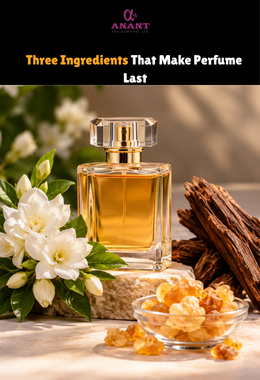
Ever notice some perfumes vanish in an hour while others last all day? That’s mostly about fixatives. They slow down evaporation and stabilize the scent.
Natural fixatives include things like amber or musk derivatives.
Synthetic ones can offer more consistency.
If you skimp on fixatives, even the best oils won’t last. The Fine Fragrance fades, and the balance is gone. This is the reason why professionals take note of such an insignificant factor.
Water and Other Additives for Fine Fragrance
These tiny ingredients have an effect on the end result. Contaminants react with oils and alcohol, slightly modifying the Fine Fragrance. Only using pure and filtered water and tested additives will ensure that the perfume smells as expected.
How Raw Ingredients Influence Fine Fragrance Layering
It’s helpful to imagine a perfume as a story consisting of three stages:
- Top notes: First impressions are made up of fragrant citrus fruits and herbs.
- Middle notes: The middle part of the perfume consists of flowers and spices.
- Base notes: Woods, resins, or musks provide depth and longevity.
Poor-quality materials in any layer can throw off the whole Fine Fragrance. But high-quality raw materials keep it harmonious, balanced, and memorable.
Sourcing Tips
Getting the right raw materials isn’t simple. Manufacturers and perfumers have to be picky.
- Source from trusted suppliers. Check purity, origin, and testing.
- Store properly. Oils and extracts degrade quickly if mishandled.
- Test in small batches first. Ensure that the perfume reacts as desired before you increase its production volume.
This can have an immediate effect on the quality of perfumes.
Final Thoughts
Honestly, a perfume is only as good as its ingredients. From essential oils to synthetics, alcohol to fixatives, every component matters. High-quality raw materials make the scent smooth, long-lasting, and enjoyable. Low-quality ones ruin the experience, no matter how clever the formulation.
So, if you’re serious about Fine Fragrance, start with the raw materials. That’s where the magic—or disaster—begins.
Discover our premium fine fragrance collection crafted to elevate your brand’s scent experience.
FAQs
1. Why are raw materials so important in perfumes?
They determine the aroma, balance, and longevity of the fragrance.
2. Can synthetics improve Fine Fragrance?
Yes, good synthetics replicate rare scents and add stability.
3. Does alcohol quality matter?
Absolutely. Impurities can alter how the fragrance smells and evaporates.
4. How do fixatives help?
They slow evaporation, making the fragrance last longer and stay balanced.
5. Can low-quality oils ruin a perfume?
Yes, even one poor ingredient can make a fragrance weak or off.
Follow us on Facebook and Instagram for more inspiration and product news.