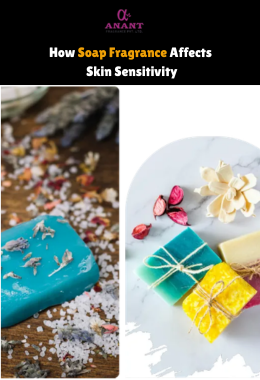
You know, soap is something we all use every day, but most people don’t really think about what’s in it. The fragrance, for example, is not just about smelling good. It actually interacts with your skin. Some soaps smell amazing, and your skin loves them. Others? They can leave you itchy, red, or just… uncomfortable. That’s because soap fragrance affects skin sensitivity, and getting it right isn’t simple.
Even natural scents aren’t automatically safe. And synthetics, although convenient, can often be quite abrasive. Thus, knowing what constitutes a bar of soap is crucial in ensuring that the soap is both pleasant and safe.
Natural Oils
To begin with, consider natural oils. Lavender oil, rose oil, sandalwood oil – don’t they all have lovely smells? But they are powerful, and sometimes that power can irritate skin.
The place the plant grows actually changes the scent. Soil, climate, and harvest time all matter.
How the oil is extracted matters too. Steam distillation, cold pressing, or solvents—each affects the smell and strength.
Storage is another big one. Oils left in heat or light can degrade, smell off, and irritate skin.
So even “natural” isn’t always gentle. The quality, storage, and extraction really determine how the skin reacts.
Synthetic Fragrances: Helpful but Tricky
Then there are synthetic soap fragrance. Labs make these to replicate rare scents or make them last longer. They’re great for consistency, and you can scale them easily.
But here’s the thing: cheap synthetics can irritate. Chemicals might react differently on sensitive skin, and sometimes it’s not obvious until someone uses the soap.
Good synthetics = safe, stable, predictable
Cheap synthetics = might smell fake, fade strangely, or irritate
The balance between natural and synthetic is key. Too much of either, and the skin suffers.
Also, enhance your formulations with our shampoo fragrance solutions for a fresh, long-lasting, and delightful hair care experience.
Concentration is Everything
Even a safe oil can be a problem if you use too much. High concentration = more irritation risk. Too little = fragrance disappears too fast.
Manufacturers test for this. They try to find that sweet spot—enough fragrance to enjoy, not enough to harm. That’s why soap fragrance affects skin sensitivity so much—it’s all about balance.
Skin Types and Sensitivity
Different people have different skin. Not everyone reacts the same way.
- Sensitive skin: quick response; redness or itching may occur
- Dry skin: scent might irritate and increase dryness
- Oily skin: scent could combine with sebum, causing acne
- Normal skin: generally works well, but still requires proper testing
This explains why perfume creators and Soap Fragrance manufacturers cannot produce a soap solution for all consumers.
Also, elevate your products with our body wash fragrance options for a refreshing, long-lasting, and luxurious bathing experience.
Significance of Testing
Testing plays an important role in ensuring that the soap is safe to be used daily.
- Patch testing: apply a small amount of soap on your skin to check whether you develop an allergy
- Stability testing: check whether the scent remains stable over time
- Dermatologist-tested: verify that there will be no negative effect on your skin
Testing ensures that the soap is aromatic and safe.
Little Details Matter a Lot
Even the smallest substances, such as water or stabilizers, can affect skin. Impurities can react with oils or alcohol, sometimes changing the soap fragrance or causing irritation. Using clean, high-quality components is surprisingly important.
Tips for Safe Fragrance Formulation
- Always check the source and quality of oils and synthetics
- Use proper concentrations; don’t overdo it
- Consider the most sensitive skin types
- Test in small batches before large production
These practices directly impact the quality of soap fragrances and make the soap safe for everyone.
Quick Summary
- Fragrance isn’t just about smell; it touches the skin
- Natural oils can be gentle, but still irritating if used wrong
- Synthetics help with stability, but cheap ones can hurt
- Concentration and skin type are critical
- Testing is non-negotiable
Focusing on these points ensures a soap that smells great, lasts, and doesn’t irritate anyone.
FAQs
1. Can soap fragrance cause skin irritation?
Yes. Even natural or synthetic fragrances can irritate sensitive skin.
2. Are natural oils safer than synthetics?
Not always. Some natural oils can still irritate, especially strong ones like citrus or cinnamon.
3. How do manufacturers ensure soap fragrance safety?
Through patch testing, stability tests, and dermatological approval.
4. Does concentration of soap fragrance matter?
Absolutely. Too much can irritate; too little fades too quickly.
5. Can skin type change the effect of soap fragrance?
Yes. Sensitive and dry skin are more prone to reactions than normal skin.
Follow us on Facebook and Instagram for more inspiration and product news.